
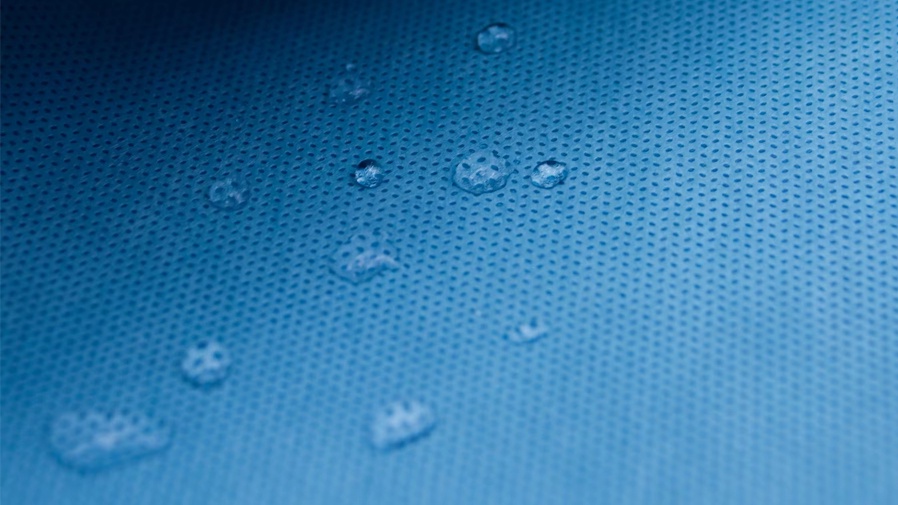
Non-woven polypropylene waterproofing offers superior protection from the elements, making it a popular choice for outdoor applications like roofing, decking, and paving. Find out why this type of material is an excellent choice for keeping your property dry and safe from water damage.
Follow this guide to learn more.
Whether you are looking for the right waterproofing material for outdoor construction projects or repairs, non-woven polypropylene is one of the best options available. Its lightweight, flexible and extremely durable properties make it an excellent choice for any application. By following this guide, you’ll learn more about how to select the proper type and thickness of non-woven polypropylene sheeting to provide optimal protection from water.
What is Non-Woven Polypropylene?
Non- woven polypropylene is a type of polypropylene fabric that is incredibly strong and resistant to water The non -woven fabric consists of the same plastic material polypropylene but it has been woven together in a way that makes it much stronger than woven polypropylene. This makes it very durable, waterproof and breathable which makes it great for many applications such as roofing or walls, as well as furniture covers or liners.
Advantages of Non-Woven Polypropylene Waterproofing
Non-woven polypropylene waterproofing offers a number of advantages, including increased durability and protection from the elements. It can also provide excellent insulation benefits and resist mold, mildew, and fungus growth. Additionally. non-woven polypropylene is lightweight and easy to install compared to other materials such as vinyl or rubberized membranes. This makes it an ideal option for do-it-yourself projects or any situation where cost is a major consideration.
Various Products to Support Your Waterproofing Projects
In addition to non-woven polypropylene, there are other materials and products available to help with waterproofing projects. Products such as elastomeric membranes, metal lath connectors, root barriers, drainage boards and fabrics, self-sealing tapes, caulking compounds and sealants can provide additional protection against moisture. In some cases, these products are used in conjunction with the non-woven polypropylene to help ensure maximum protection and durability.
How to Install Non-Woven Polypropylene Waterproofing
Non-woven polypropylene waterproofing is easy to install and is highly effective when used properly It’s important to use the right materials, such as self-adhesive sealant, non-woven fabric, mastic tape, and gas permeable membrane After cleaning the surface of dirt and debris, the fabric should be cut to size and adhered to the substrate. Next, apply a layer of self-adhesive sealant over the non-woven polypropylene before covering with a gas permeable membrane and mastic tape. Allow ample drying time before proceeding with additional project steps.
Thank you very much for writing to us. Please leave your message and contact information, we will reply to you within 24 hours.